Babcock International Company Profile, Products, Employees and Revenue
Babcock International Group PLC is a London-headquartered engineering services and defence company that maintains Royal Navy nuclear submarines at Devonport, builds Type 31 frigates at Rosyth and supports military vehicles, aircraft and civil nuclear sites. It is listed on the London Stock Exchange and reports four sectors: Marine, Nuclear, Land and Aviation.
For the year ended 31 March 2026 (FY26), Babcock reported revenue of £5,177.7 million, underlying operating profit of £293.3 million after a £140 million Type 31 charge, and a contract backlog of £9.8 billion. The company said defence and nuclear account for around 80% of group revenue. Its four sectors reported roughly 27,200 employees between them, and the UK Ministry of Defence is its largest customer.
What Does Babcock International Do?
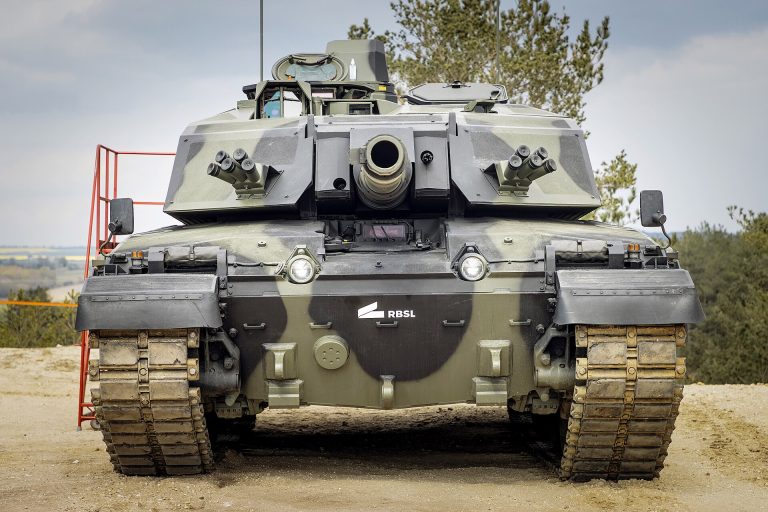
Babcock designs, builds, maintains and supports complex equipment for governments, with most work under long-term contracts. In Marine it builds and supports warships and submarines and makes weapon-handling and launch systems. In Nuclear it supports the UK submarine fleet and civil nuclear power. In Land it maintains British Army vehicles and provides training, and in Aviation it supports military flying training and helicopter operations.
| Item | Detail |
|---|---|
| Headquarters | London, England |
| Founded | 1891, as Babcock & Wilcox (Wikipedia) |
| Listing | London Stock Exchange; FTSE 100 (Wikipedia) |
| Employees | About 27,200 across the four sectors (FY26 results, 22 June 2026) |
| Revenue | £5,177.7 million (year to 31 March 2026) |
| Underlying operating profit | £293.3 million (£433.3 million before the Type 31 charge) |
| Chief Executive | Harry Holt, succeeding David Lockwood (planned from 1 August 2026) |
| Sectors | Marine; Nuclear; Land; Aviation |
| Key programmes | Type 31 frigates; Future Maritime Support Programme; Devonport submarine support; DSG vehicle support; Mentor 2 |
How Many Employees Does Babcock Have?
Babcock’s FY26 results statement gives employee numbers by sector rather than a single group total: about 7,500 in Marine, 11,100 in Nuclear, 6,000 in Land and 2,600 in Aviation. Those add up to about 27,200 (the sum is our arithmetic). Wikipedia lists 27,700 for 2026. The company’s own sector figures are the more recent primary source.
Babcock Revenue and Financial Results
| Measure | FY26 | FY25 |
|---|---|---|
| Revenue | £5,177.7m | £4,831.3m |
| Statutory operating profit | £305.1m | £363.9m |
| Underlying operating profit | £293.3m | £362.9m |
| Underlying operating margin | 5.7% | 7.5% |
| Underlying margin excluding Type 31 charge | 8.2% | 7.5% |
| Underlying free cash flow | £261.8m | £153.4m |
| Net debt | £329.0m | £373.3m |
| Contract backlog | £9.8bn | £10.4bn |
| Full-year dividend per share | 7.5p | 6.5p |
Revenue grew 8% organically, led by Nuclear and Aviation. The Type 31 charge of £140 million covers the remaining cost of the programme and includes a £95.5 million revenue reversal. Babcock said about 70% of FY27 revenue was under contract at 1 April 2026, and it reaffirmed medium-term guidance of mid-single-digit organic growth and an underlying margin of at least 9%. Guidance is a company forecast, not a result.
What Are Babcock’s Business Sectors?
| Sector | Revenue | Underlying operating profit | Employees |
|---|---|---|---|
| Marine | £1,591.5m | (£29.8m); £110.2m before Type 31 charge | c. 7,500 |
| Nuclear | £2,070.4m | £197.1m | c. 11,100 |
| Land | £1,084.4m | £95.3m | c. 6,000 |
| Aviation | £431.4m | £30.7m | c. 2,600 |
Nuclear is the largest sector. It includes submarine support at Devonport under the Future Maritime Support Programme (FMSP) and the Cavendish Nuclear civil business, where revenue rose 18%. Land holds the roughly £1 billion, five-year DSG contract to maintain over 30,000 British Army vehicles and equipment. Aviation revenue rose 34%, helped by the Mentor 2 military pilot training contract in France, worth up to €800 million over up to 17 years, and an A$230 million Australian Border Force helicopter contract.
What Is Babcock’s Role at Devonport and Rosyth?
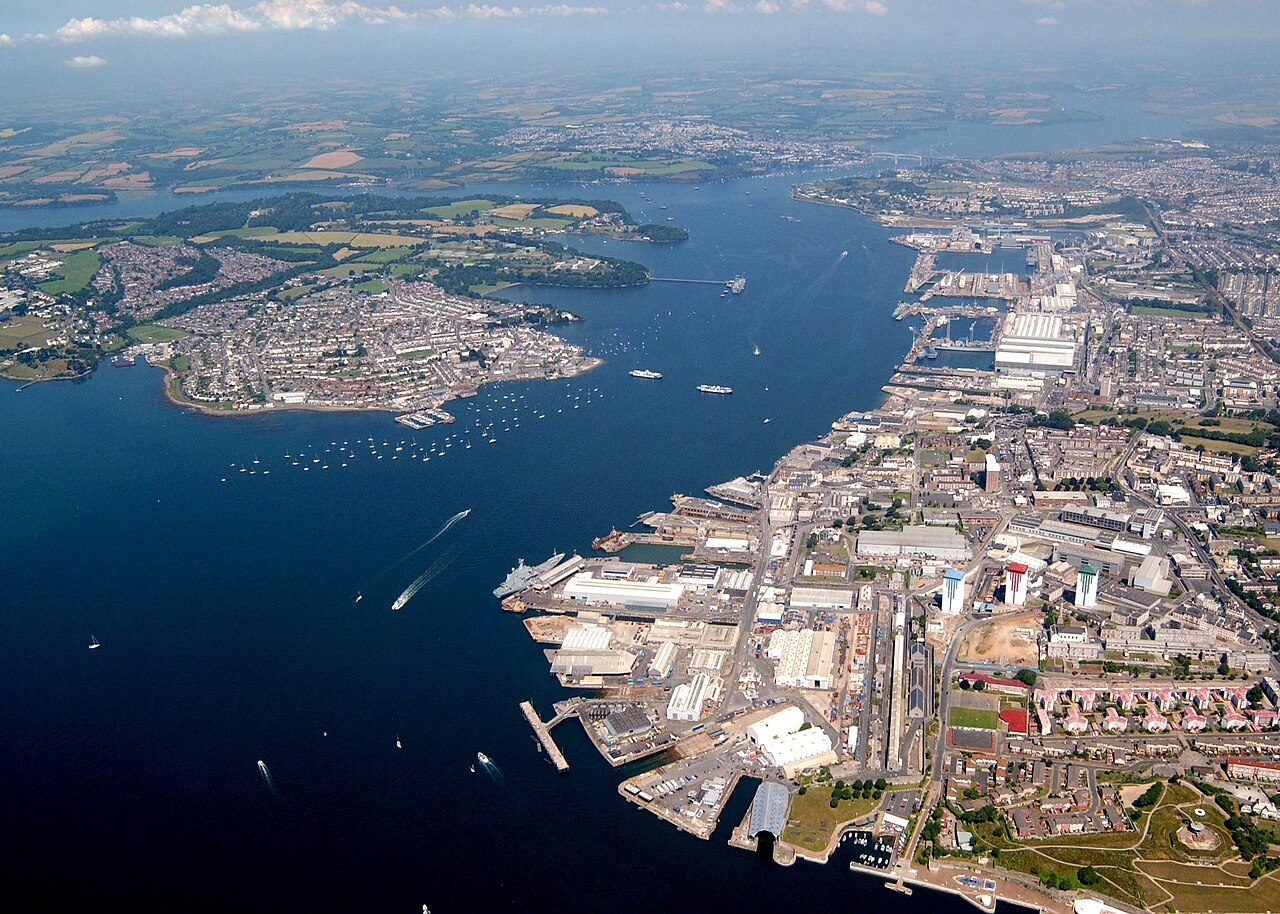
Devonport in Plymouth is the largest naval base in Western Europe, and Babcock runs the dockyard facilities and maintains the Royal Navy’s nuclear-powered submarines there. In FY26 it re-opened 15 Dock, which restores its ability to maintain two nuclear submarines in parallel, and HMS Victorious remains in 9 Dock for deep maintenance. The FMSP, a £3.5 billion contract, moved to a six-month bridging agreement at year end, with the MOD signing a letter of intent to finalise a replacement called Gateway by October 2026.
At Rosyth in Fife, Babcock builds the Type 31 frigates and makes missile tubes for the UK-US Common Missile Compartment, delivering 12 tube assemblies in FY26 for the Columbia and Dreadnought programmes. It has also been approved to make submarine assemblies there for the US Virginia class under its partnership with HII.
What Is the Type 31 Frigate and the Arrowhead 140 Design?
The Type 31 Inspiration class is a five-ship Royal Navy frigate programme based on Babcock’s Arrowhead 140 design and won under competitive tender in 2019. In FY26 the first two ships floated off, the keel of ship three was laid and steel was cut for ship four. Babcock said higher-than-expected rework during outfitting of ship one drove the £140 million charge. The Royal Navy plans to fit the class with Mk 41 launchers and missiles, covered in our report on Type 31 Mk 41 cells and Naval Strike Missiles.
| Country | Programme | Status |
|---|---|---|
| United Kingdom | Type 31 Inspiration class, five ships, built at Rosyth | Ships 1 and 2 floated off; ships 3 and 4 in build (Babcock, March 2026) |
| Poland | Miecznik, three ships, built by PGZ Stocznia Wojenna in Gdynia | ORP Wicher launched 13 August 2026; deliveries planned 2029 to 2031 (Navy Lookout) |
| Indonesia | Maritime Partnership Programme framework worth up to £4 billion | Letter of intent for two further Arrowhead 140 licences (Babcock) |
| Denmark | Arrowhead 140 under consideration | Awaiting Danish government decision on preferred platform (Babcock) |
Poland’s Miecznik frigates use the British-designed hull, with Thales and MBDA supplying combat systems and weapons, according to Navy Lookout. See our profiles of Thales and MBDA.
Babcock International History Timeline
| Year | Event |
|---|---|
| 1891 | Babcock & Wilcox founded |
| 1989 | Demerged to become the independent Babcock International Group PLC |
| 1996 | Buys Rosyth Dockyard from the Ministry of Defence |
| 2007 | Acquires Devonport Management Limited and Appledore Shipbuilders |
| 2010 | Acquires VT Group for £1.32 billion |
| 2019 | Wins the five-ship Type 31 frigate contract |
| 2026 | FY26 results on 22 June; Harry Holt due to become CEO on 1 August |
Recent Babcock Developments and Related Coverage
In Land, Babcock signed a teaming agreement with Patria to offer its 6×6 armoured personnel carrier to the UK, and it also has a partnership with Toyota on light utility vehicles; see our Patria profile. For other British primes and shipbuilders, see BAE Systems and Navantia.
Babcock International FAQ
Where is Babcock International headquartered?
In London, England.
What does Babcock International do?
It provides engineering, shipbuilding and through-life support for defence and civil nuclear customers, across Marine, Nuclear, Land and Aviation sectors.
How many employees does Babcock have?
About 27,200 across its four sectors, according to its FY26 results statement of 22 June 2026.
What was Babcock’s revenue in FY26?
£5,177.7 million for the year to 31 March 2026, up from £4,831.3 million a year earlier.
Who is the CEO of Babcock?
David Lockwood led the group until his planned retirement, with Harry Holt due to become CEO on 1 August 2026, according to the FY26 results statement.
Does Babcock build the Type 31 frigates?
Yes. Babcock is building five Inspiration class frigates for the Royal Navy at Rosyth, based on its Arrowhead 140 design.
What is the Arrowhead 140?
A frigate design developed by Babcock, used for the UK Type 31, Poland’s Miecznik and Indonesia’s frigate programme.
Is Babcock a UK government company?
No. It is a listed company, and the UK MOD is its largest customer.
- Babcock FY26 full year results statement, 22 June 2026: babcockinternational.com (PDF)
- Babcock investor relations, results and presentations: babcockinternational.com
- Babcock CEO retirement and succession announcement: babcockinternational.com
- Navy Lookout report on the launch of ORP Wicher: navylookout.com
- Wikipedia – Babcock International: wikipedia.org
- Wikipedia – Arrowhead 140 (Type 31 frigate): wikipedia.org
- Aerial photograph of Plymouth Naval Base by LA(PHOT) Paul A’Barrow, Ministry of Defence, via Wikimedia Commons, OGL v1.0